
-
DateApr 27 2026
For years, the impact of social media on youth mental health has been a subject of debate; however, the courts have now begun to speak through landmark rulings. Big Tech companies are no longer untouchable, facing a legal turning point that is fundamentally changing the rules of the game.
“Addiction Machines”
In an unprecedented ruling in Los Angeles, Meta (parent company of Facebook and Instagram) and Google (owner of YouTube) have been found “negligent” for causing dependency in minors through their platform designs. A jury determined they acted with “malice, oppression, or fraud,” prioritizing screen time over the safety of young people.
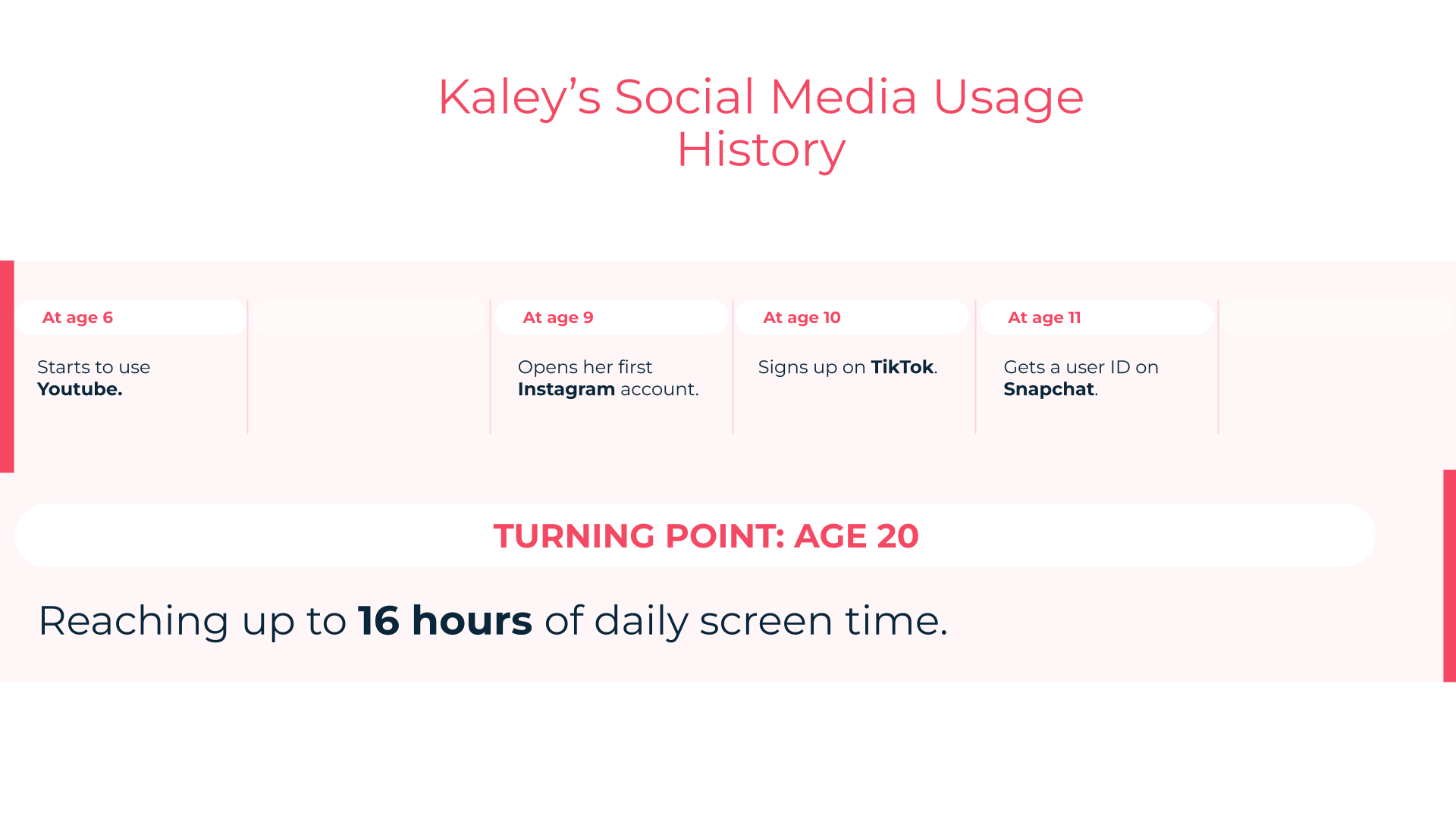
The case was driven by a young woman named Kaley, who developed anxiety, depression, and body dysmorphia after spending up to 16 hours a day on these platforms during her childhood. Attorneys successfully argued that these networks operate as literal “addiction machines.”
As a result, Meta was ordered to shoulder 70% of the blame and YouTube 30%, paying $6 million in compensation to the plaintiff. This verdict follows another recent case in New Mexico, where Meta was ordered to pay $375 million for endangering minors.
TikTok reaches a deal
While Mark Zuckerberg had to testify in court for the first time in history, other platforms managed to dodge public scrutiny at the last minute. TikTok (ByteDance) and Snapchat reached confidential settlements with plaintiffs just before their trials began.
Although they avoided the witness stand, the allegations were clear: they deliberately designed recommendation algorithms to keep young people trapped at their screens to increase usage time.
Australia Leads the Offensive
The crackdown is not limited to the United States. In Australia, the government is preparing to take Meta, Google, TikTok, and Snapchat to court for violating a new regulation that bans social media access for minors under 16.
Although the platforms have deactivated approximately five million accounts belonging to minors since December, Australian authorities claim the companies are doing “the bare minimum because they want these laws to fail.” Minors continue to create new accounts by bypassing age controls, and in some cases, the systems themselves even prompt users to repeatedly attempt to bypass the block.
Due to this lack of commitment, Australian courts are now threatening the companies with fines reaching 49.5 million Australian dollars (approximately $29 million USD) for systemic violations.