-
DateNov 19 2025
80% of teenage girls fear that their images will be manipulated with artificial intelligence to create fake sexual content, while 72% of boys admit to being afraid of being unfairly accused of gender-based violence.
At the same time, 15% of young people already use artificial intelligence as a confidant to talk about their personal problems.
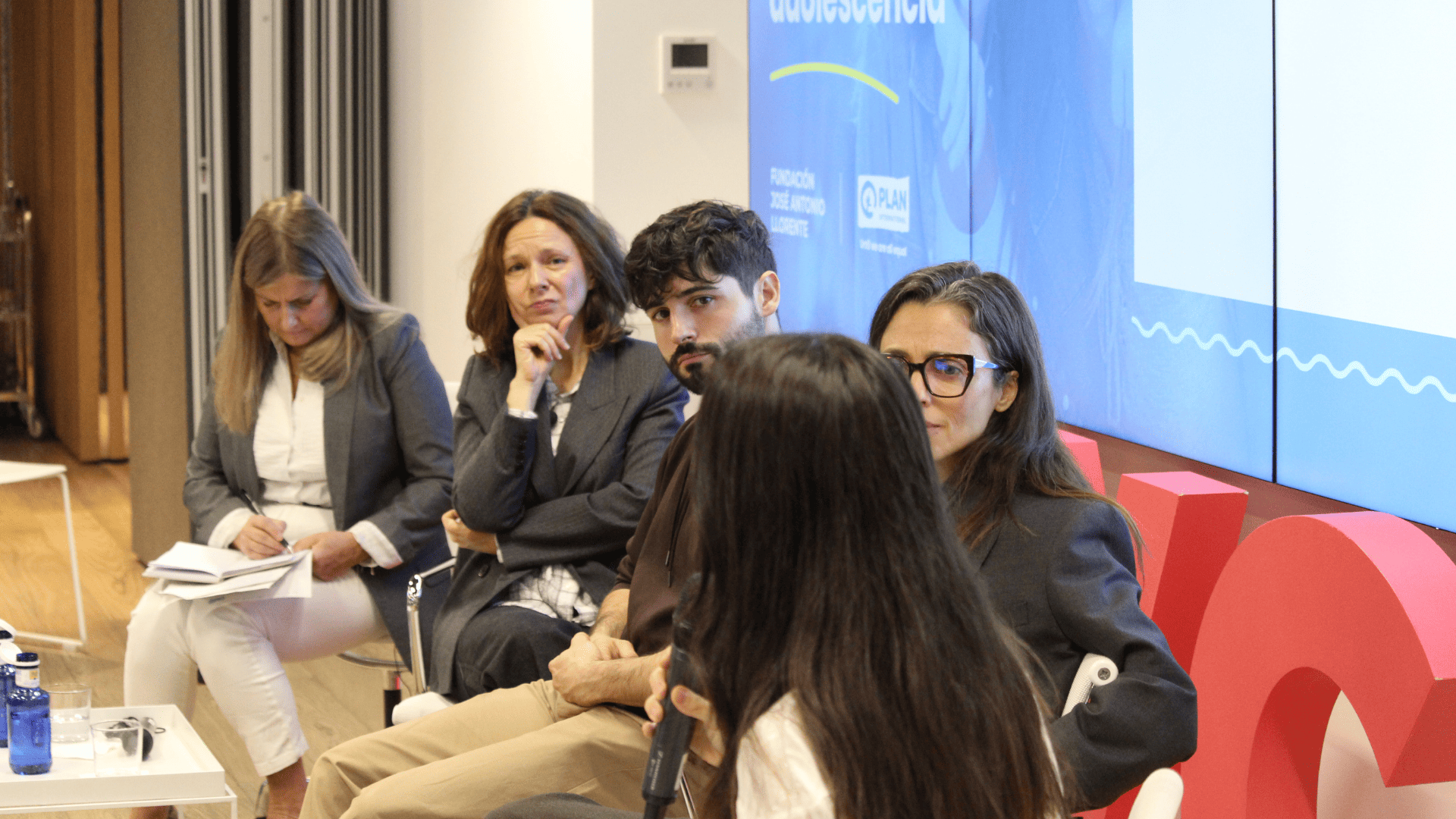
Against this backdrop of digital transformation and social polarization, Plan International presented the report “This is how we talk: the voices of adolescence,” opening a profound debate on how new technologies are shaping the identity, relationships, and mental health of young people.
The gender gap and the “disagreement”
Belén Barreiro, founder of 40dB, highlighted an unprecedented sociological finding that explains the growing polarization:
– The superiority paradox: Boys of this generation are less feminist than their grandfathers, while girls are the most feminist in history. However, this reaction does not stem from resentment, but from a feeling of inferiority. Boys openly acknowledge that girls are “smarter, much better prepared, and have a clearer vision of their future.”
– The rethinking of feminism: Perceiving girls as superior in terms of academics and maturity, boys question the need for equality policies. Their logic is: “Why feminism if we already know that girls are in a better situation?”
AI as a confidant and the illusion of neutrality
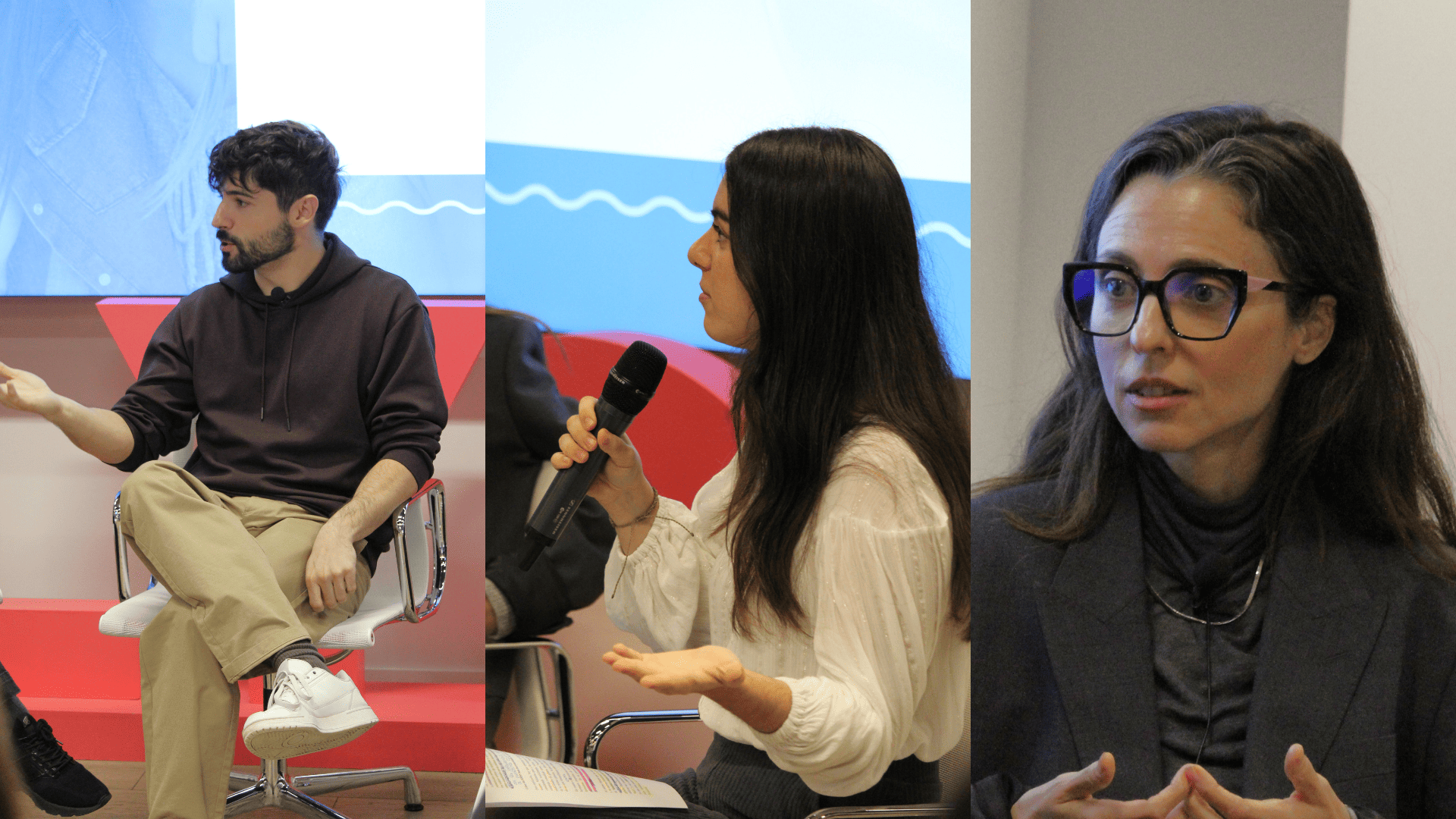
Ignacio Crespo, science communicator, shared the risks of over-reliance on artificial intelligence.
– Atrophy in decision-making: Just as GPS has atrophied our spatial orientation skills, delegating the resolution of personal conflicts to AI at an early age limits the development of critical thinking and autonomy. Young people risk losing the human ability to make complex decisions.
– The danger of false neutrality: Young people turn to AI for an “objective” second opinion. However, there is nothing more dangerous than a medium that pretends to be neutral without actually being so. AI is not free of bias, but rather has a “chaotic bias” programmed to avoid conflict, which hinders moral and ethical progress.
The adult mirror: where should we focus our attention?
Actress and director Leticia Dolera offered a critical view of adult responsibility and the cultural environment:
– Desire dictated by algorithms: We live in an “attention capitalism” where social media and pornography shape young people’s desires. Platforms encourage girls to see themselves as “sexual capital” (e.g., OnlyFans).
– Liquid boundaries of violence: Teenagers normalize digital control behaviors (such as checking cell phones or demanding real-time location), reducing them to the term “toxicity” instead of recognizing them as violence. Dolera insisted that without structured affective sex education, young people are at the mercy of pornography, where women’s “no” is eroticized.
Generation Z speaks
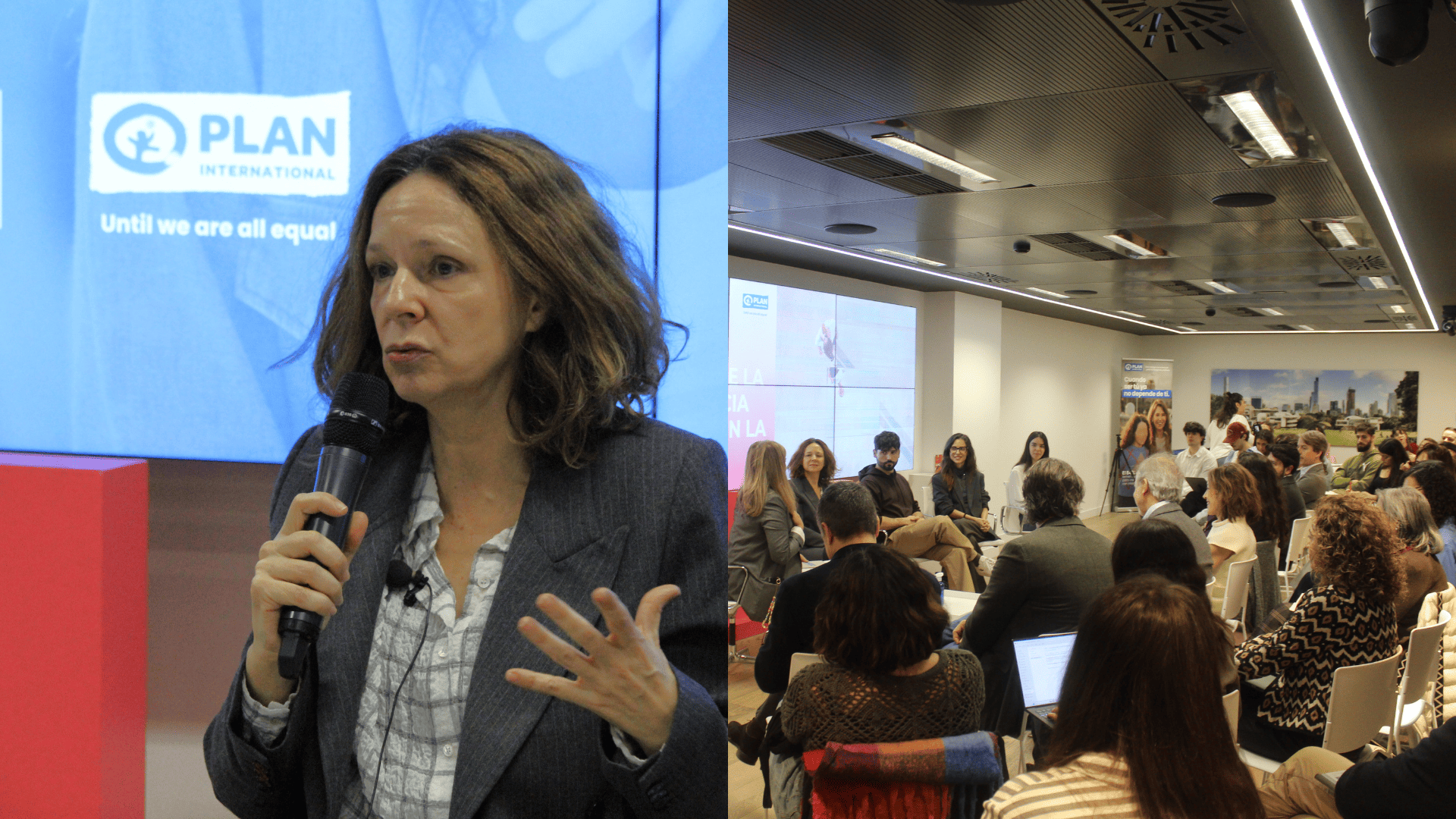
Marta Mateo, representative of Plan International’s Youth for Change group, shared her perspective as a digital native:
– Targeted feedback: The algorithm is largely responsible for polarization. While girls are shown feminist or makeup content, boys are pushed toward soccer videos, the “manosphere,” and discourse that justifies conservative attitudes and reinforces traditional roles.
– The design trap: Young people are aware that they waste hours on social media, but it is not a lack of critical thinking, but rather a losing battle against algorithms designed to retain their attention and bypass their filters.
Conclusions
– Regulation as a necessary limit: The use of screens by minors must be legislated. Just as they are not given alcohol because of its biological impact, they should not be exposed without limits to technology designed to generate addiction while their prefrontal cortex has not matured. Public policies are also needed to regulate algorithmic biases.
– Literacy and sex education in the classroom: It is imperative to integrate consensual sex education and early digital literacy into the school curriculum. Young people must learn to identify AI biases and understand consent, communication, and vulnerability outside the prism of consumption.
– Reconnecting in the real world: Families must be the primary source of support. We must encourage technology-free spaces and activities, promoting active listening so that young people do not feel the need to resort to a chatbot to solve their emotional crises or search for the meaning of life.