Artificial Intelligence and the New Digital Generation: Reflecting on Well-Being and Technological Inclusion in Portugal
-
DateJun 1 2026
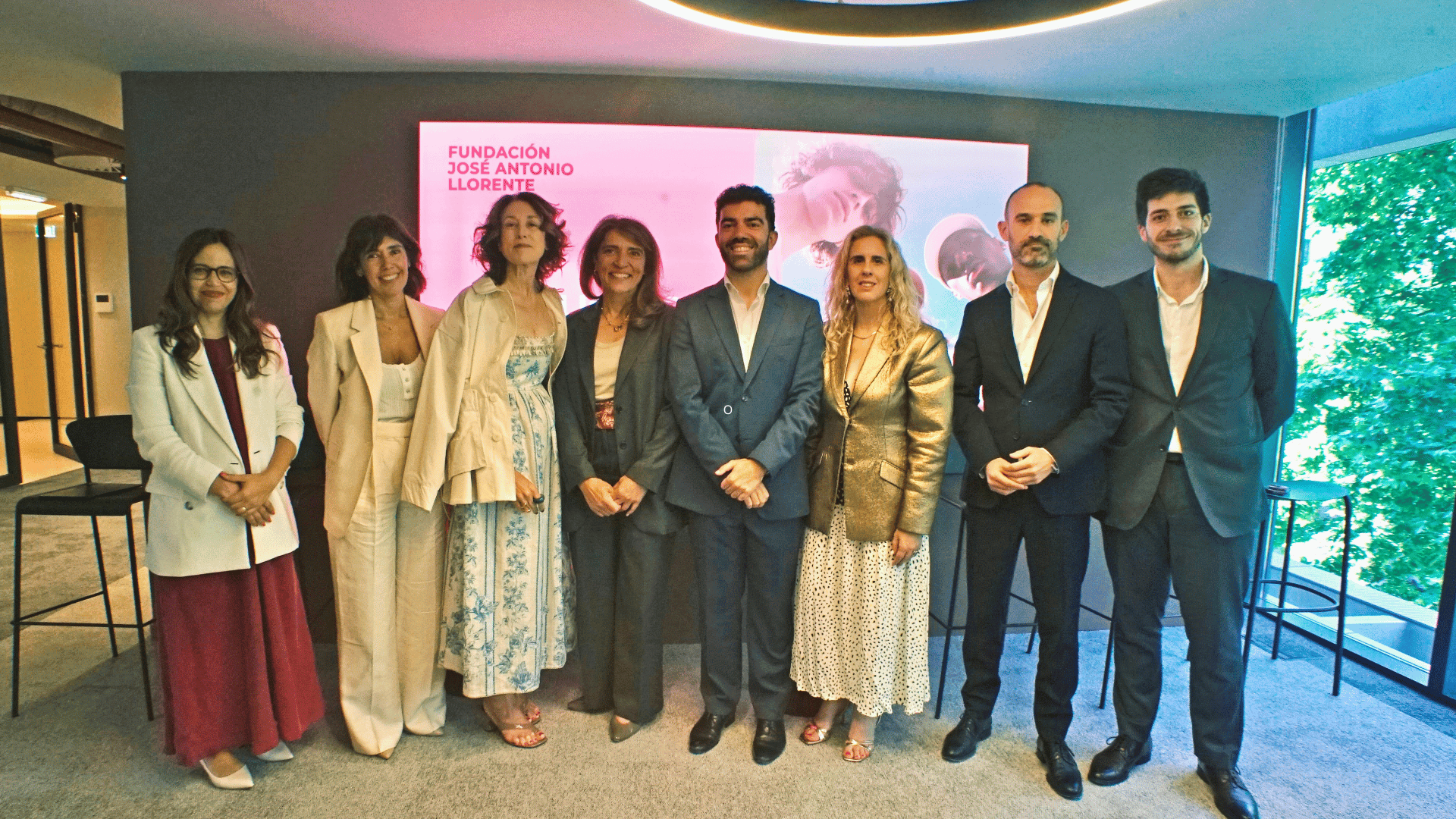
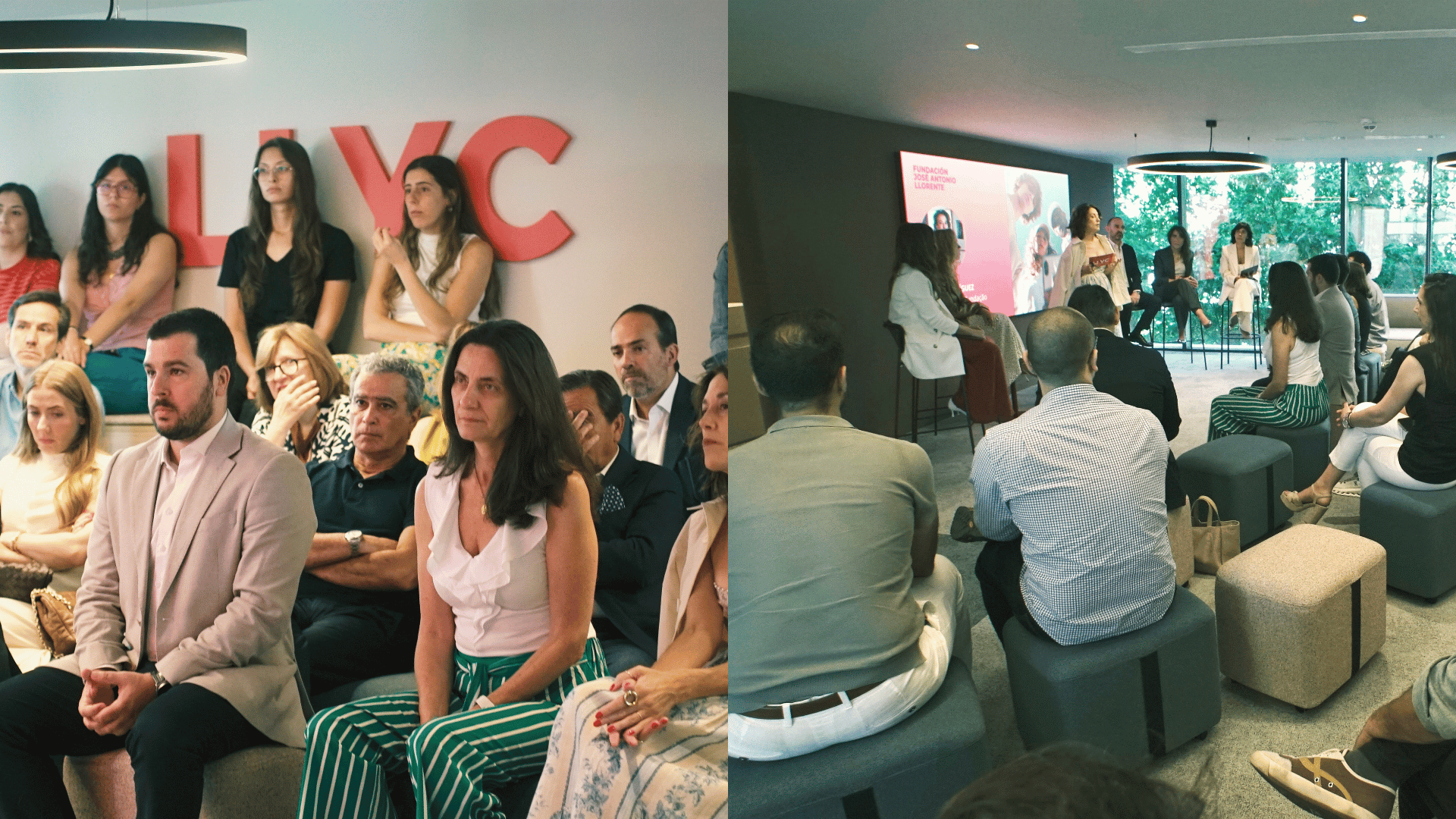
The José Antonio Llorente Foundation hosted a new meeting in Lisbon, “A Inteligência Artificial e a Nova Geração Digital” (Artificial Intelligence and the New Digital Generation), to address the impact of new technologies on young people and the importance of digital inclusion in education.
The meeting kicked off with a reality that demands immediate action: more than 60% of young Portuguese people report experiencing digital anxiety. Given the breathtaking pace of technological evolution, addressing its usage has shifted from being a tech challenge to becoming an inescapable social priority.
Marlene Gaspar, Managing Director of LLYC Lisbon, and Irene Rodríguez, President of the José Antonio Llorente Foundation, welcomed attendees, emphasizing the importance of creating forums for reflection to understand this new reality.
The conversation was divided into diagnostic segments and collective action solutions, exploring the digital context from various angles: technological design, educational exclusion, the labor market, and digital literacy.
Educational inclusion and the fundamental role of the family
Francisca Magano, representing UNICEF, focused her presentation on the non-negotiable pillars required to ensure that AI becomes a driver for the comprehensive development of youth while protecting their mental health.
Magano brought to light the reality of “material info-exclusion” in schools, reminding the audience that there are still children without access to computers or the internet. Furthermore, she warned that the lack of digital literacy among parents, who often do not know how to answer their children’s questions, is a critical factor in the rise of digital anxiety in children.
Equity and bias in AI design
For her part, Cláudia Mendes Silva, representing Women in Tech, provided a crucial perspective on gender barriers. Despite national efforts to reach 30% female ICT specialists by 2030, Mendes Silva reflected on the current disparity and warned of a silent danger: the biases built into technology itself. Drawing on LLYC’s “The Mirage of Equality” study, she highlighted how algorithms recommend social sciences to girls up to three times more frequently, while directing boys toward engineering twice as often, hindering a neutral learning environment.
Critical skills in the face of “Artificial Fraud Syndrome”
Luísa Ribeiro Lopes, from .PT, emphasized that it is not enough to meet the goal of equipping 80% of Portuguese citizens with basic digital skills by 2030; it is vital to know how to use technology with discernment.
Luísa delved into the need to promote digital literacy to curb anxiety, and warned about recent psychological phenomena such as “Artificial Fraud Syndrome”—the tendency, especially among women, to perceive the use of AI as cheating—demonstrating the urgency of equipping young people with a critical mindset.
Technical talent and private sector responsibility
Diogo Madeira da Silva, providing the vision of a tech giant like Huawei, addressed the worrying shortage of technical profiles in Portugal and the challenges of modernizing Public Administration under the “mobile-first” principle.
Diogo raised a profound reflection on corporate responsibility: how to find the balance between the market’s drive to offer increasingly sophisticated technology and devices, and the urgency of protecting the mental health of younger users.
Looking to the future
This meeting made it clear that the challenge facing the Portuguese digital ecosystem requires collective action. The conclusion was straightforward: public-private collaboration is the true engine of transformation to drive inclusive initiatives, protect the most vulnerable youth from technology misuse, and ensure that artificial intelligence serves as a tool for progress rather than a factor of exclusion.