We learn about the state of adolescence in Spain in the age of AI together with Plan International
-
DateNov 19 2025
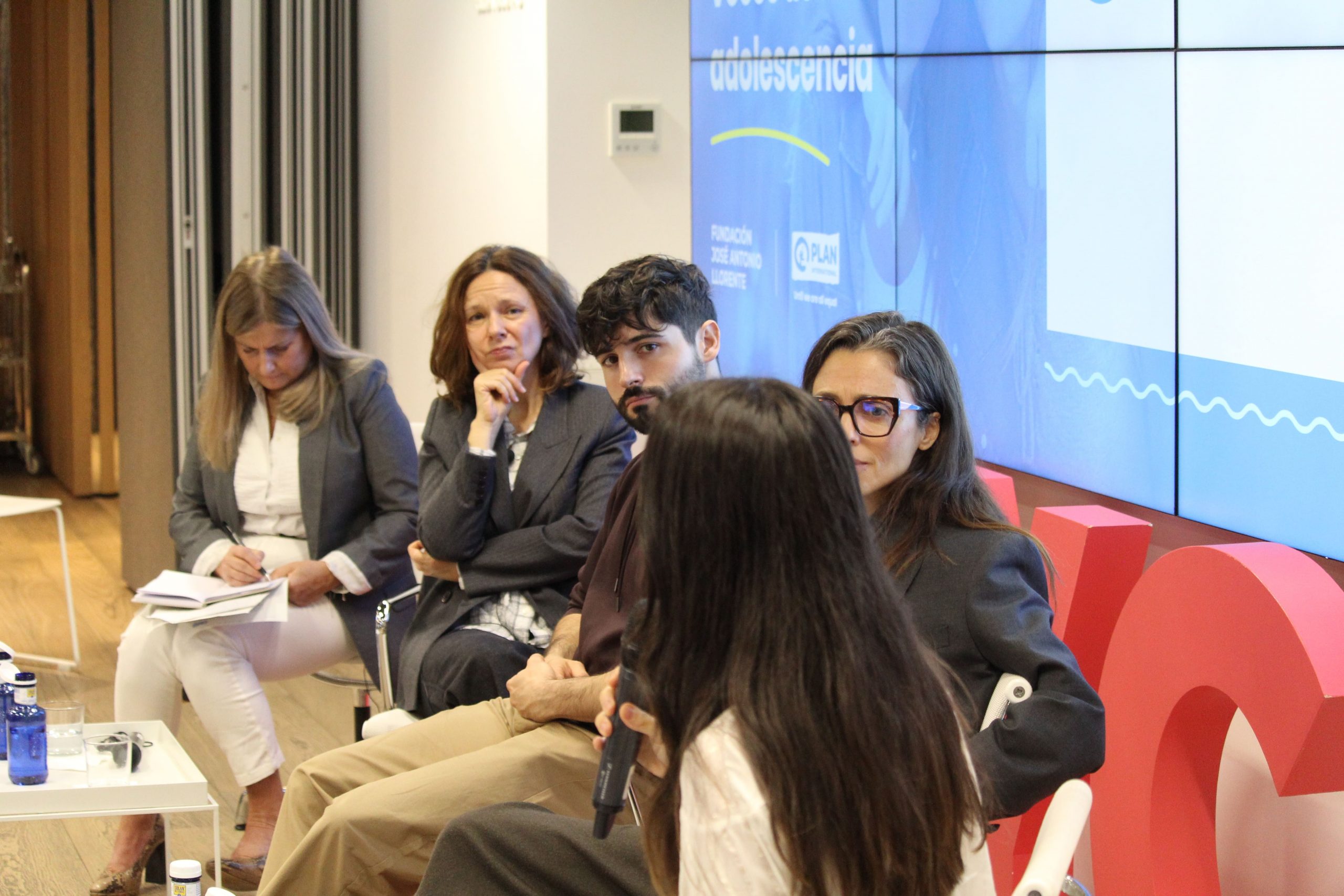
The José Antonio Llorente Foundation’s “Transformative Conversations” space hosted a new meeting in which, with the help of Plan International, we learned about the state of adolescence in Spain in the age of AI.
Concha López, CEO of Plan International, presented the organization’s latest report, “This is how we talk: the voices of adolescence”, a qualitative study that collects testimonies from young people about their relationship with artificial intelligence and equality.
This presentation was followed by a panel discussion, analysis, and debate, addressing the most notable data and exploring possible solutions.
Changes in relationships
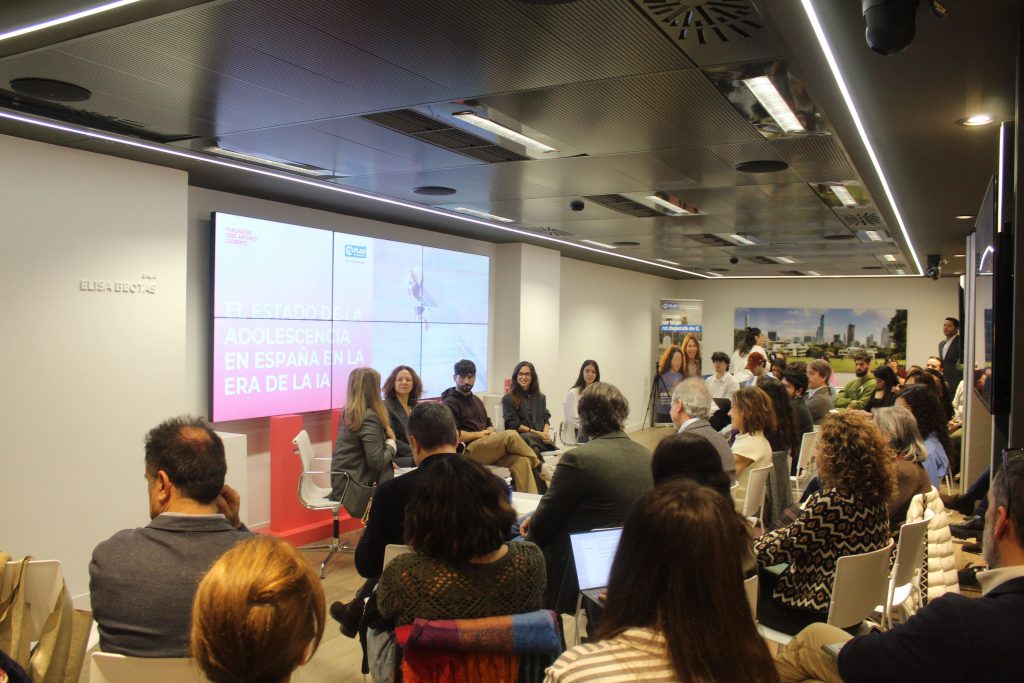
Belén Barreiro, CEO and founder of 40dB, focused her presentation on explaining how AI was reshaping relationships between teenage boys and girls. “Listening to them in groups and understanding what lies behind the fact that young boys are apparently much less feminist than their grandfathers has been very interesting,” she said.
Future challenge
For his part, Ignacio Crespo, doctor and educator, invited attendees to think about the future and anticipate possible risks so that we can start taking action now.
“There is something that we humans find difficult: making decisions. When faced with many options, we freeze and are happier when they are limited, when someone else decides for us.
If they also frame it in an aura of superiority, of knowing more, of being objective… we buy it easily,” he said.
Educational intervention
On the other hand, Leticia Dolera, actress, writer, and screenwriter, expressed her concern about the loss of meaning among adolescents, inviting us to think about the reasons behind these vital concerns.
“It is essential to exert political pressure for a pact on sex education. As a society, we resist reaching a consensus on this, as if politics had not already entered our beds, or our desires were not marked by the capitalism in which we live,” she warned.
The voice of young people
Likewise, Marta Mateo, a member of Plan International’s Youth For Change participation group, shared the perspective of adolescents, giving voice and reality to the data, based on her experiences with peers and friends.
“Young people are aware of the time we spend and the power of the algorithm; I myself left Instagram because of the addiction, but ended up on YouTube for hours. I don’t think there is a lack of critical thinking, but rather a lack of tools to filter content, a problem that also affects adults and children,” she explained.
Looking to the future
This meeting showed us how teenagers talk about AI and how they relate to it, revealing behaviors and trends that we must take into account in order to continue promoting the proper use of technology by young people.